Beyond Visibility: Redefining What Global Fashion Collaborations Should Mean for African Designers

Updated: Jul 28
Global fashion's relationship with Africa is changing.
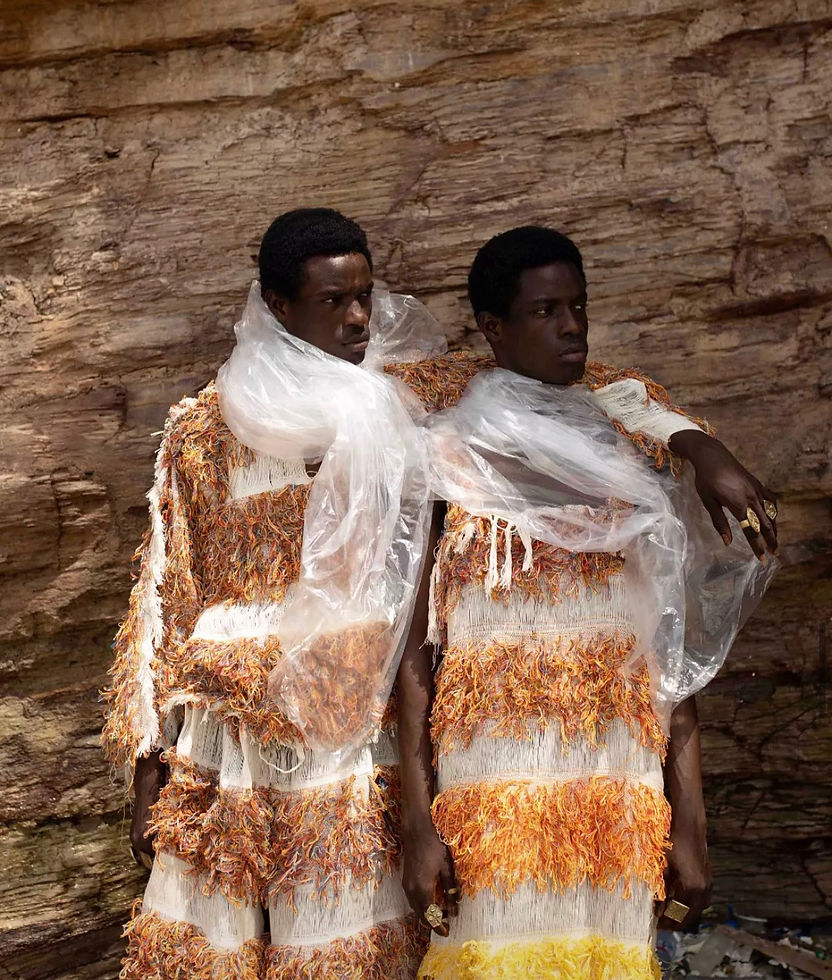
Over the last decade, African designers have steadily moved from the margins of the industry to becoming some of its most exciting creative voices. Collections inspired by African craftsmanship, heritage and innovation are appearing on international runways, in luxury retail stores and across global media. Consumers are increasingly seeking authentic stories, distinctive design perspectives and brands that reflect cultural depth.
This shift presents an extraordinary opportunity.
But it also presents an important question.
As global collaborations become more common, are they creating lasting value for African designers and businesses, or are they simply creating moments of visibility?
The answer will shape the future of African fashion.
According to industry estimates, Africa's apparel market generated approximately US$73.6 billion in 2025. UNESCO also estimates African fashion exports exceed US$15 billion annually, with significant potential for growth through investment in manufacturing, infrastructure and skills development.
These numbers reinforce something the industry has known for some time. African fashion is no longer an emerging niche. It is a growing economic sector with the potential to become one of the world's most influential creative industries.
Global partnerships can accelerate that growth.
Collaborations can introduce designers to international buyers, strengthen manufacturing capabilities, expand retail distribution, improve supply chain resilience and attract much needed investment into local businesses. They can also provide access to technology, mentorship, production expertise and commercial networks that may otherwise take years to build independently.
However, not every collaboration produces these outcomes.
Too often, success is measured by campaign imagery, celebrity endorsements or social media engagement. While these indicators demonstrate visibility, they do not necessarily demonstrate business growth.
A more meaningful question is this.
What changed for the designer after the collaboration ended?
Did the partnership lead to new wholesale accounts?
Did it strengthen manufacturing capacity?
Did it create repeat commercial opportunities?
Did it increase investment into the business?
Did it leave the designer with stronger intellectual property protection and greater negotiating power?
These are the metrics that determine whether collaboration becomes transformational or transactional.
As African creativity becomes increasingly valuable within the global fashion industry, intellectual property should become a central part of every partnership discussion.
Designers are no longer competing solely within domestic markets. Their brands, prints, product designs, traditional knowledge and storytelling all carry significant commercial value. Without clear agreements around ownership, licensing, royalties and future commercialization, partnerships can unintentionally create uncertainty around who controls that value.
Protecting creativity is not simply a legal consideration.
It is a business strategy.
Equally important is how collaborations contribute to strengthening Africa's broader fashion ecosystem.
The greatest partnerships do not benefit only one designer. They strengthen the entire value chain by investing in local manufacturers, artisan communities, textile production, education, logistics, technology and professional services. Every investment made within these ecosystems creates opportunities for future designers, entrepreneurs and creative businesses.
This multiplier effect is often overlooked.
When one collaboration creates new manufacturing relationships, improves production standards or introduces international buyers to local suppliers, the benefits extend well beyond the original collection.
Entire industries become more competitive.
The United Nations Economic Commission for Africa has consistently emphasized that developing regional value chains and strengthening manufacturing capacity will be essential to unlocking the continent's long term economic potential. Fashion has the opportunity to become a leading example of what this looks like in practice.
The global fashion industry also has an opportunity to rethink how partnerships are defined. The strongest collaborations should not begin with a collection. They should begin with shared objectives.
What problem are we solving together?
How will this partnership strengthen the designer's business?
What capabilities will remain after the collaboration concludes?
How will success be measured beyond revenue and media coverage?
These questions shift collaborations from short term marketing initiatives to long term business strategies.
Looking ahead, African fashion is uniquely positioned.
Consumers increasingly value authenticity over mass production. Retailers are searching for differentiated brands with compelling stories. Investors are paying greater attention to creative industries across the continent. Technology continues reducing barriers between African businesses and global consumers.
These trends create an opportunity for African designers to negotiate partnerships from a position of increasing strength rather than dependency.
The next chapter of African fashion should not simply be about participating in the global industry.
It should be about helping shape it.
That means building partnerships rooted in transparency, protecting intellectual property, investing in manufacturing, strengthening local ecosystems and ensuring that the economic value created by African creativity increasingly benefits African businesses.
Visibility may open the door.
Ownership, investment and equitable collaboration are what will build the future.
At TFLAS, we believe the future of African fashion will be defined not by the number of collaborations announced, but by the businesses strengthened, the industries developed and the communities empowered because of them.


Comments