Geographical Indications and the Protection of African Cultural Heritage: The Case of Kente Cloth

An analysis of what UN backed protection means for the future of African textiles and cultural heritage
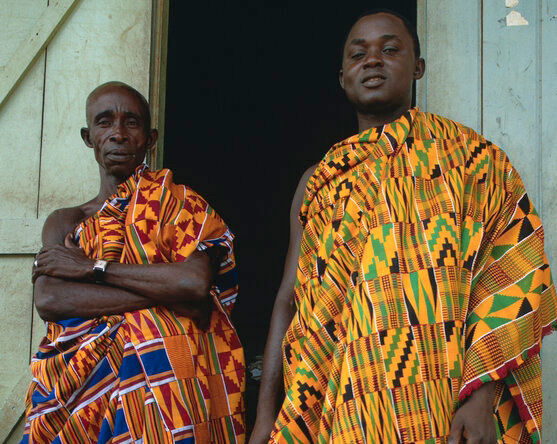
Introduction: What Is Kente Cloth?
Kente cloth is one of the most globally recognised African textiles. Originally a prestigious hand woven fabric from Ghana, it was traditionally crafted by the Ashanti and Ewe communities and carries deep cultural meaning. Each colour and pattern conveys symbolic significance tied to history, status, values, and storytelling.
For centuries, nwentoma, as it is called locally, was used in ceremonial and royal contexts. Over time, its aesthetics spread worldwide through diaspora cultures and fashion, inspiring global designers while also leading to widespread unauthorized copies and imitation products.
Geographical Indication Recognition: What It Is
A Geographical Indication, or GI, is a form of intellectual property right that legally connects a product to a specific place and its production methods. Unlike trademarks, which belong to companies or individuals, GIs are collective rights tied to communities, places, and traditions.
Under GI rules, only products genuinely originating from a designated region and made according to established standards may use that name internationally. A well known example is Champagne, which can only be called Champagne if it comes from the Champagne region of France.
In September 2025, Ghana secured international GI status for Kente cloth in partnership with the World Intellectual Property Organization, officially recognising Kente as a product uniquely tied to specific weaving communities and techniques in Ghana.
Why This GI Recognition Matters
Legal Protection Against Counterfeits
Before this change, Kente designs were widely copied and mass produced overseas, often sold cheaply without any benefit returning to Ghanaian artisans. While Ghana’s Copyright Act offered some protections for Kente designs, it could not stop third parties from producing imitations or using the name Kente misleadingly.
With GI status, only cloth hand woven in recognised Ghanaian communities using approved traditional techniques may be marketed internationally as Kente. This gives Ghana legal tools to challenge counterfeit products and misleading use of the name abroad.
Economic Benefits for Artisans
GI recognition is already boosting economic value for authentic Kente weavers. Certified Kente now commands higher selling prices because authenticity is verifiable. Weavers are forming cooperatives, adopting quality standards, and entering formal value chains. Designers and textile houses are increasingly interested in licensing arrangements that benefit Ghanaian producers directly.
This helps shift wealth from imitation markets back to communities that have historically produced the cloth.
Cultural Documentation and Transmission
To qualify for GI protection, Ghana had to meticulously document the traditional knowledge behind Kente, including loom types, weaving techniques, meanings of patterns and colours, and social customs. This formal documentation supports apprenticeships, helps teach younger generations, and ensures that the living cultural heritage behind Kente is recorded and preserved.
Broader National and Continental Impact
Kente’s GI protection sets a precedent for other Ghanaian goods, from beads to traditional foods. It contributes to a national strategy for cultural economic development and a broader African model for protecting heritage products in global markets.
This also aligns with wider continental goals, such as the African Union and European Union strategy to use GI systems to protect traditional products and promote sustainable rural development.
Challenges and Limitations
Enforcement Abroad
GI protection is only enforceable in countries where Ghana has GI agreements or where GI protections are recognised in law. Ghana must negotiate additional bilateral recognition to extend protection in major trading markets.
Certification Capacity
Domestic enforcement and certification systems must remain robust to prevent misuse of the Kente name and ensure quality standards are upheld.
What It Means for the Future of African Textiles
The GI recognition of Kente cloth is a pivotal moment that goes beyond legal formalities; it signals a systemic shift in how African cultural products can be protected, valued, and integrated into global markets. By formally linking Kente to its geographic origin and traditional production methods, Ghana asserts both cultural and economic sovereignty over a product that has been widely copied and misappropriated.
From a legal perspective, this recognition introduces a model of collective intellectual property that is distinct from individual trademarks or patents. It acknowledges that certain forms of knowledge, craftsmanship, and design are inherently communal and place-based, challenging conventional Western frameworks of ownership. This model could serve as a template for protecting other African textiles such as Aso Oke in Nigeria, Shweshwe in South Africa, and Bogolanfini in Mali, establishing a pan-African approach to safeguarding heritage products.
Economically, GI protection strengthens the market position of authentic producers. By formalizing authenticity, communities can command premium prices, attract international buyers, and participate in structured licensing or export agreements. This shifts wealth back to the artisans and communities that generate cultural and economic value, creating a sustainable ecosystem where heritage preservation and economic empowerment coexist. It also incentivizes the documentation and standardization of quality, ensuring that traditional weaving techniques are passed down to younger generations and not lost amid industrial mass production.
Culturally, the recognition reinforces the symbolic and social significance of textiles like Kente. When production methods and design principles are codified, it helps preserve intangible heritage and protects the narratives embedded in each cloth. It also gives African communities legal standing to influence how their cultural expressions are represented globally, countering historical misappropriation by foreign brands that commodified their designs without acknowledgment or compensation.
At an industry level, GI recognition encourages ethical engagement by international designers and brands. Companies that wish to reference or use Kente in their products must now consider licensing agreements or collaboration models that directly benefit Ghanaian artisans. This could influence global fashion and home textiles markets by creating an environment where cultural respect, provenance, and traceability become integral to product development.
Finally, the Kente case underscores the importance of multi-layered protection strategies. GI status alone does not eliminate unauthorized use; enforcement requires international cooperation, certification, and monitoring. For African textiles more broadly, this demonstrates that protecting cultural heritage is not only about law but also about establishing recognition, legitimacy, and economic leverage on the global stage.
In sum, Kente’s GI recognition is not merely a national achievement; it represents a paradigm shift in how African textiles can be managed, monetized, and respected worldwide. It highlights the intersection of culture, commerce, and law, and provides a replicable model for other heritage products seeking to balance tradition with global economic opportunity.


Comments