Protecting African Fashion Designs: Navigating Collaboration with Artisans and Manufacturers

Updated: Mar 26
Fashion Law Insights for Small-Scale and Factory Production
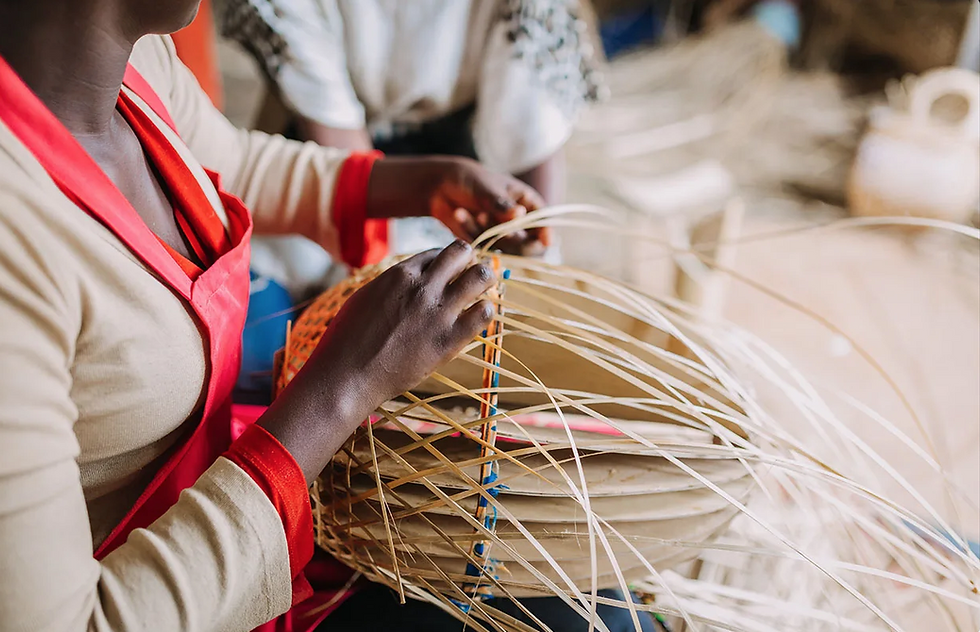
African fashion has captured the world’s imagination, celebrated for its creativity, cultural heritage, and artisanal craftsmanship. Designers across the continent are increasingly collaborating with local artisans and international manufacturers to bring their visions to life. These partnerships enable brands to scale production, experiment with new techniques, and enter global markets. Yet, with opportunity comes risk. Unique designs, once shared with production partners, can be copied, overproduced, or misused. Without careful protection, both cultural integrity and commercial value are at stake.
The process of bringing a garment from concept to finished product involves numerous touch-points: sketches, patterns, samples, textiles, and prototypes. At each stage, there is potential for exposure if the brand’s intellectual property is not properly safeguarded. For African designers, who often infuse cultural narratives and artisanal techniques into every piece, the stakes are particularly high. Protecting designs is therefore not just about legal compliance—it is about preserving the authenticity and identity of the brand itself.
Beyond legal frameworks, design protection is a matter of operational discipline and strategic decision-making. It requires careful consideration of who has access to designs, how materials are shared, and the criteria for selecting production partners. This integrated approach ensures that African fashion brands can collaborate effectively with artisans and manufacturers while maintaining control over their creative assets.

After establishing this context, brands can approach protection through several key strategies:
Securing Ownership Before Production
Before any design leaves the studio, ownership must be clearly established. Every sketch, pattern, or sample created by in-house designers, freelancers, or artisans should be formally assigned to the brand. Without this legal foundation, disputes over rights can arise, particularly when collaborators contribute to unique patterns or hand-crafted details. Establishing ownership upfront ensures that the brand retains full authority to license, reproduce, or enforce rights over its creations, both locally and internationally.
This early step also signals professionalism and sets the tone for all subsequent production agreements. It protects the brand not only from external infringement but also from internal misunderstandings, creating a secure foundation for scaling production through artisans or factories.
Using Strong Manufacturing Agreements
Contracts with artisans and factories are essential tools for protecting intellectual property. A well-crafted manufacturing agreement should clearly define production scope, timelines, quality standards, and IP ownership. All samples, patterns, prototypes, and tooling produced during the collaboration must legally belong to the brand.
Beyond ownership, these agreements address potential production risks. They can prevent unauthorized subcontracting, overproduction, and misuse of designs, while specifying remedies for breaches. For artisan collaborations, contracts should be accessible and clear, ensuring understanding without stifling creativity. By formalizing expectations, brands reduce risk and maintain enforceable rights throughout the production process.
Limiting Access to Sensitive Design Materials
Not all design elements need to be widely shared. Tech packs, prototypes, hand-dyed fabrics, and specialized tools should be distributed selectively, with access granted only to trusted collaborators. Limiting exposure of sensitive materials reduces the risk of copying or leakage.
In artisan workshops, partial templates or coded references can allow production without revealing every detail of the design. In factories, digital files should be password-protected, and tooling should be closely monitored. This approach balances collaboration with security, ensuring that the brand’s unique techniques and aesthetics are preserved.
Choosing Partners Based on Trust and Track Record
Selecting production partners solely based on cost is a common mistake. Instead, brands should prioritize trust, experience, and proven reliability. Factories and artisans who respect IP, deliver consistently high-quality work, and honor agreements create a safer environment for innovation.
Vetting partners through references, past work evaluations, and facility visits ensures that the brand aligns with collaborators who share its values. Strong partnerships built on trust reduce the likelihood of unauthorized production and support long-term creative growth.
Monitoring the Market Consistently
Even with agreements, secure ownership, and trusted partners, active market monitoring remains critical. Designs can appear in online marketplaces, retail stores, or international supply chains, sometimes before a brand is aware. Consistent oversight allows early detection of unauthorized copies, enabling swift action through cease-and-desist letters, contractual remedies, or IP enforcement.
Monitoring not only protects revenue but also reinforces the brand’s authority over its creative output. It signals to both collaborators and competitors that the designs are actively managed and that infringement will not be tolerated.
Conclusion
Protecting African fashion designs when working with artisans and manufacturers requires a combination of legal, operational, and strategic measures. By securing ownership before production, using strong manufacturing agreements, limiting access to sensitive materials, choosing partners based on trust and track record, and monitoring the market consistently, brands can collaborate confidently while safeguarding their intellectual property.
These practices do more than prevent copying. They preserve cultural authenticity, ensure quality, and sustain the commercial viability of African fashion on a global scale. For designers seeking to grow and innovate, robust design protection is both a strategic imperative and a moral responsibility, ensuring that the creativity of African fashion thrives for years to come.


Comments